Disclosure: This article contains affiliate links. We may earn a commission at no extra cost to you. This article does not constitute regulated financial advice.
Credit scores are rarely discussed at universities and when it happens to be discussed its usually brief. You can go through your entire time at university not bothering with your credit score, but when you graduate and try to rent a flat or get a phone contract you will have a shock of your life with your empty credit file. Lenders will take a look, see nothing, and deny you or give you terrible rates.
I didn’t think about my credit score in my first term. It’s easy to maintain and improve and yet it makes your life after university much simpler. Most methods are free and take under ten minutes to set up.
This guide covers exactly what a credit score is, why it matters more than you think right now, and the specific steps that move the needle as a student. In order of impact.
What Is a Credit Score and Why Does It Matter?
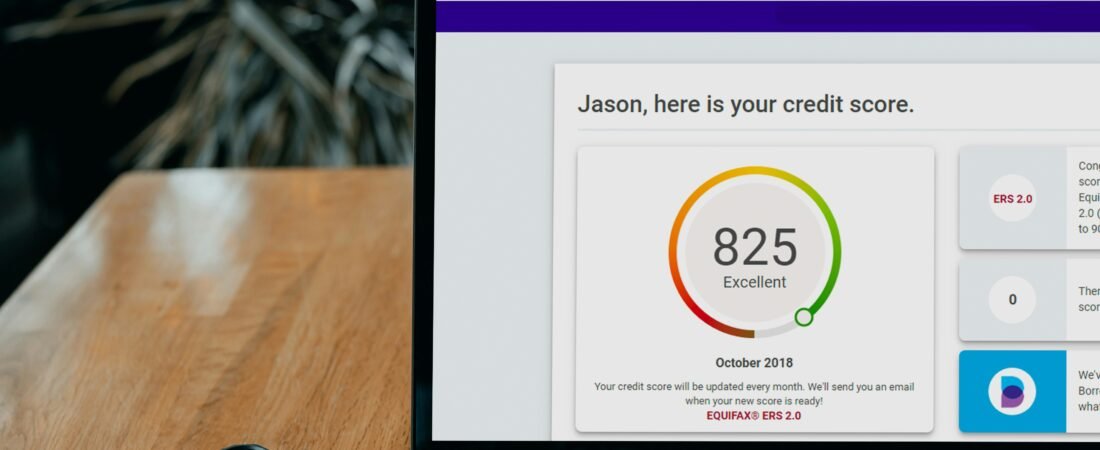
Your credit score is a number that tells lenders how reliable you are as a borrower. The higher it is, the more likely you are to get approved for credit and the better the rates you’ll be offered.
In the UK, your score is calculated by three separate credit reference agencies: Experian, Equifax, and TransUnion. Each one has a slightly different score for you, and different lenders use different agencies. This means you have three credit scores, not one but they usually represent similar strengths of credit score so don’t get overwhelmed by the different values.
You can check all three for free:
- ClearScore — shows your Equifax score
- Credit Karma — shows your TransUnion score
- MSE Credit Club — shows your Experian score
Make sure you get in the habit of checking one or two values a month as checking your own credit score is considered a “soft search” and does not affect your credit rating.
Why does this matter as a student?
- Renting a flat – most landlords and letting agents run a credit check. A thin credit file can get you rejected even if you have a guarantor lined up.
- Phone contracts – a handset contract is a form of credit. Students with no credit history often get rejected and end up on more expensive SIM-only deals or pay-monthly plans.
- Graduate bank accounts and credit cards – the better products go to people with a track record. Starting to build yours now means you graduate with options.
- Car finance, mortgages – further down the line, but your score then is built on what you do now.
The students who graduate with a good credit score aren’t the ones who earned more money. They’re the ones who knew what to do and did it early.
The Never-Ending Loop of Building Credit from Zero
The frustrating reality: to build a credit score, you need to borrow. But to borrow, lenders want to see a credit score. If you’ve never had any credit – no loans, no credit cards, no phone contract – you don’t have a bad credit score. You have no credit score. And no score is almost as bad as a poor one.
There are several ways to break into this system as a student without needing to borrow significant amounts of money. Most of them are completely free.
How to Build Your Credit Score as a Student
1. Register on the Electoral Roll – Do This Today
This is the single highest-impact thing you can do for your credit score, and it takes five minutes.
The electoral roll is the list of registered voters in the UK. Lenders use it to verify your identity and address – and being registered is one of the first things a credit check looks for. Not being on it is an automatic red flag.
Go to gov.uk/register-to-vote right now. It takes under five minutes.
If you’ve moved to university, you can register at both your term-time address and your home address. Do both. You can only vote once, but both registrations count towards your credit file.
If you move into a new house each year, re-register at your new address at the start of each academic year. Lenders want to see a consistent address history – moving without updating your electoral registration creates gaps.
2. Open a Student Bank Account and Use the Overdraft Responsibly
You already have (or should have) a student bank account with a 0% overdraft. Using this overdraft and repaying it builds your credit history – it shows lenders you can borrow and pay back reliably.
You don’t need to max it out. Dipping in occasionally and repaying within a few weeks demonstrates the pattern lenders want to see. The key is repaying on time. A missed payment on any credit product – including an overdraft – stays on your credit file for six years.
Set up a direct debit to pay off at least the minimum on any credit product you have. Even if it’s just £10/month. The habit of automatic, on-time payments is one of the strongest signals in your credit file.
3. Get a student or Credit Builder Credit Card
This is the most powerful thing you can do to actively build credit – used correctly, it’s also completely free.
Spend small amounts on it each month (groceries, fuel, subscriptions), and you pay the full balance off every single month before the due date. You pay zero interest. You build a positive credit history. Repeat for 12–24 months and your score will improve significantly.
Cards worth considering for students with limited credit history:
Barclaycard Forward – specifically designed for students and young people with no credit history. 0% on purchases for the first three months, then a standard rate. The key is paying in full every month, so the interest rate never matters.
Aquis Card (Aqua) – designed for credit building, higher acceptance rate for thin credit files.
Capital One Classic – another option for limited credit history.
The rules are non-negotiable:
- Never spend more than you can already afford on your debit card
- Pay the full balance every month, not just the minimum
- Never miss a payment – set up a direct debit for the full balance
- Keep your utilisation low – don’t spend more than 30% of your credit limit
If you don’t trust yourself with a credit card yet, wait until you’ve got a proper budgeting system in place first. A missed payment or carried balance will hurt your score more than having no card at all.
4. Put Bills in Your Name
If you’re in a student house share with bills split between flatmates, put at least one bill in your name. Gas, electricity, broadband – it doesn’t matter which. Paying it on time every month contributes positively to your credit file.
This doesn’t mean taking on sole responsibility for payment – you can still split the cost with flatmates. Just make sure the account is registered in your name with your address.
5. Get a Phone Contract in Your Name
A mobile phone contract is a form of credit and paying it on time every month contributes to your credit history. If you’re currently on a SIM-only deal under a family plan or a prepaid SIM, consider switching to your own contract.
Don’t apply for a new contract immediately after being rejected for one – multiple applications in a short period leave hard searches on your credit file. Space applications out by at least three months.
If you’re not ready for a handset contract, a SIM-only deal in your own name still builds credit history. It’s a lower-risk option if you’re not sure you’ll be approved for a full contract.
6. Check Your Credit Report for Errors
Around 25% of UK credit reports contain errors – incorrect addresses, accounts that aren’t yours, old debts still showing as active. Any of these can drag your score down without you knowing.
Pull your report from all three agencies and check for:
- Addresses you’ve never lived at
- Accounts you didn’t open
- Settled debts still showing as outstanding
- Incorrect payment history
If you find an error, dispute it directly with the credit reference agency. They’re legally required to investigate and correct it within 28 days.
What Doesn’t Affect Your Credit Score
Your student loan does not affect your credit score. Student Finance repayments are taken directly from your salary by HMRC – they don’t appear on your credit file and lenders don’t see them. Don’t let anxiety about your loan balance put you off building credit.
Checking your own score doesn’t affect it. Soft searches (checking your own score, using eligibility checkers) leave no mark on your file. Only hard searches – actual credit applications – show up.
Your salary doesn’t directly affect your credit score. Income isn’t on your credit file. A low income doesn’t automatically mean a low score – it’s your repayment history that matters.
Being rejected doesn’t lower your score. The hard search from the application does leave a mark, but the rejection itself doesn’t. What hurts is making multiple applications in quick succession – space them out.
How Long Does It Take to Build a Good Credit Score?
Realistically, 12–24 months of consistent positive behaviour will move you from no credit history to a decent score. The electoral roll and a student bank account will start showing results within a few months. A credit card used correctly for a full year will make a noticeable difference.
The students who start this process in first year graduate with a solid credit file. The ones who ignore it until they’re looking for a flat at 22 spend six months explaining to landlords why they need a guarantor.
FAQs
Does having a student overdraft affect my credit score? Using a 0% student overdraft and repaying it can help build your credit history. What hurts your score is going beyond your arranged overdraft limit, missing repayments, or defaulting entirely. If you stay within your agreed limit and repay what you borrow, it’s a positive signal.
Can I build credit with no income? Yes. Income doesn’t appear on your credit file. Registering on the electoral roll, being named on bills, and using a credit builder card responsibly all build credit regardless of your income.
Will being rejected for a credit card hurt my score? The hard search from the application will show on your file for 12 months. The rejection itself doesn’t. To avoid hard searches on applications you might fail, use eligibility checkers first – they use soft searches and show you your chances of approval without leaving a mark.
Should I get a credit card if I’m bad at budgeting? Not yet. Sort out a budgeting system first – whether that’s Monzo pots, Blackbullion, or our free budget planner – and get comfortable living within your means before adding a credit card to the mix. A missed payment does more damage than having no card at all.
Does my flatmate’s bad credit affect mine? Not automatically. The only way someone else’s credit affects yours is through a financial association – if you have a joint bank account or a joint loan. Splitting bills by bank transfer doesn’t create a financial association. If you do open a joint account with someone, their credit history becomes linked to yours.
Quick Action List
If you take nothing else from this article, do these five things this week:
- Register on the electoral roll at gov.uk/register-to-vote – five minutes, massive impact
- Check your credit score on ClearScore, Credit Karma, and MSE Credit Club – all free
- Set up direct debits for every bill or credit product in your name
- Consider a credit builder card – Barclaycard Forward if you’re ready
- Put one bill in your name in your student house
Got your credit sorted and ready to think about what to do with any spare money? Read our guide on how to start investing as a UK student →
Still sorting out your basic finances? Read our guide on how to survive on a student loan in 2026/27 →
Looking for the best student bank account to start building your financial history? Read our guide to the best student bank accounts UK 2026/27 →
This article does not constitute regulated financial advice. Credit products carry risk — always read the terms and conditions before applying.